If you are navigating the luxury market in 2026, you are likely aware that the landscape of craftsmanship and authentication has shifted dramatically. The existential question plaguing high-net-worth collectors, secondary market platforms, and luxury enthusiasts alike is no longer simply “Is this real or fake?” Instead, the question has evolved into something far more complex: Exactly how small has the gap become between authentic Louis Vuitton production and the absolute highest tier of underground craftsmanship?
Relying on outdated authentication methods is a guaranteed way to be deceived. The market is flooded with varying levels of quality. To truly understand the art of the Maison and protect your investments, we must put authentic pieces under the microscope and compare them directly against today’s sophisticated replica tiers.
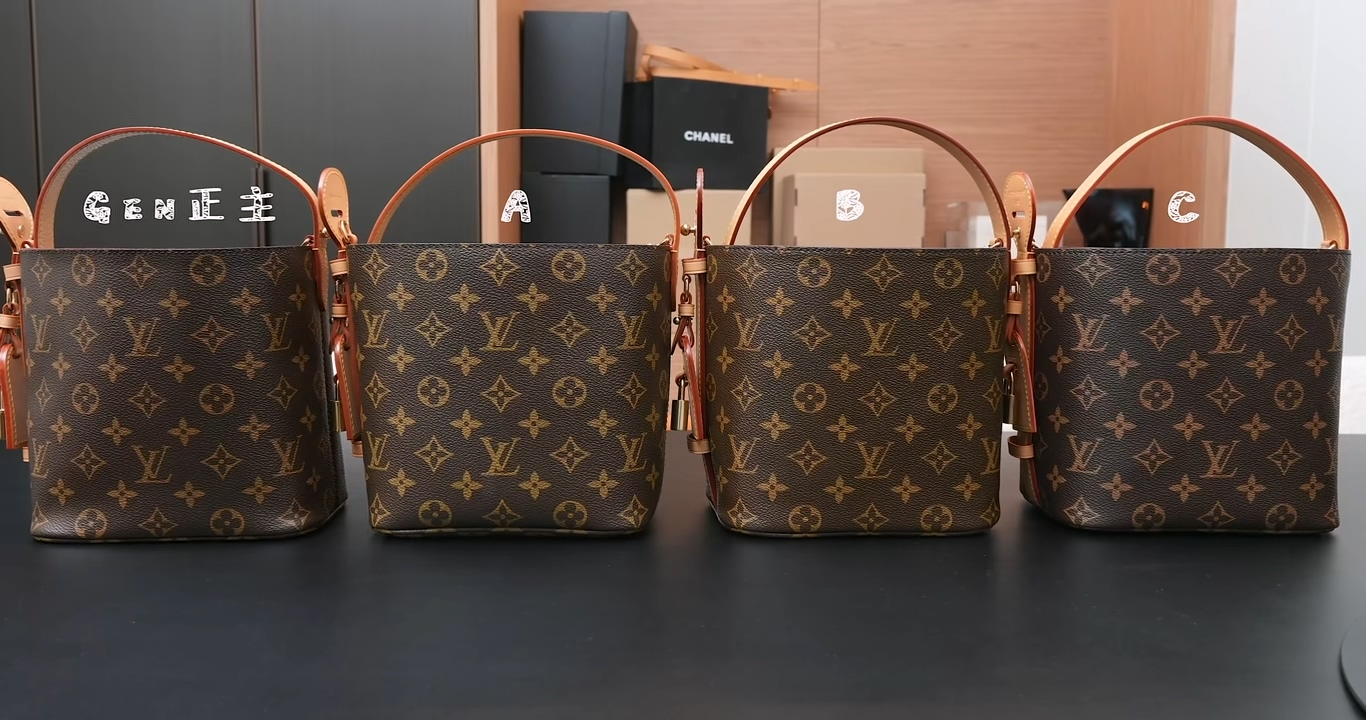
In this comprehensive academic report, we are stripping away the marketing fluff. We systematically compare authentic Louis Vuitton craftsmanship against three distinct tiers of modern replicas—categorized as Piece A, Piece B, and the ultimateUltimate Piece C—across dimensions of leather texture, hardware engraving, anti-counterfeit chips, and physical weight. By the end of this guide, you will understand exactly where the replica industry hits a glass ceiling.
1. Redefining the Market Tiers: Top Tier vs. Ultimate Tier
Before diving into microscopic details, we must establish a precise taxonomy. We will analyze three specific grades of replicas that dominate the current underground market:
- Mass-Produced Top tier (Piece A B): These represent the standard premium market. While heavily marketed, they often suffer from fundamental visual and structural flaws. For a deeper dive into what defines this category, refer to our foundational guide on understanding AAA replica bags and our analysis of LV AAA trends and top picks for 2026.
- TheUltimate Tier ( C): This tier is hailed as the ultimate ceiling of replication. It achieves an astonishing level of visual symmetry, matching the macro-symmetry of the Monogram and strap stitching so perfectly that it is nearly impossible to distinguish with the naked eye. It represents a massive leap in mold precision and manufacturing standards.
2. Material Science: The Canvas and The “Thief Light” Phenomenon
The tactile experience of Louis Vuitton’s proprietary Monogram canvas is notoriously difficult to replicate. The exact chemical composition, curing process, and texturing techniques are heavily guarded secrets. If you want to understand the base materials used across all collections, our Louis Vuitton materials guide provides an excellent prerequisite.
The Micro-Texture Analysis
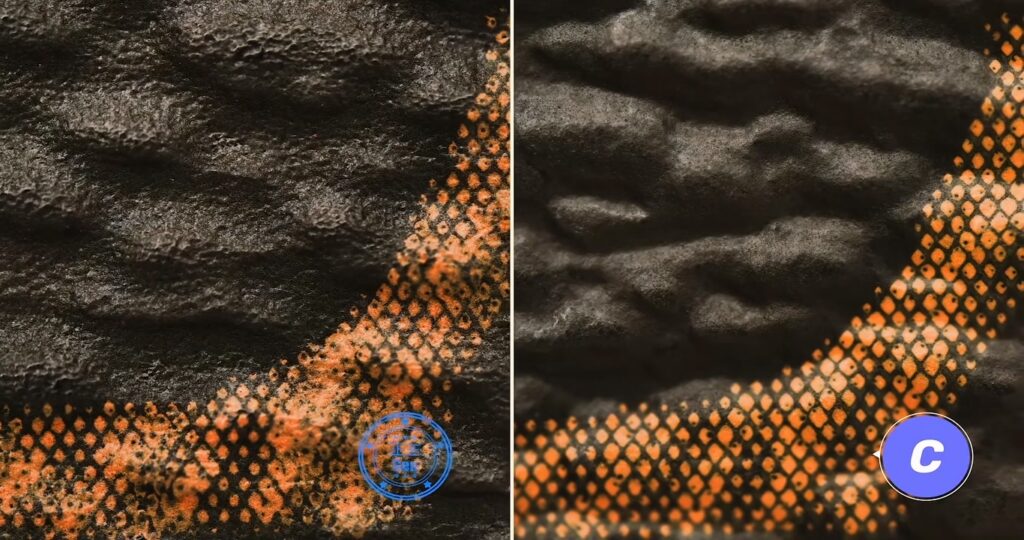
- Authentic Canvas: When examined under a macro lens, authentic leather canvas features deep, irregular pores and wrinkles that heavily resemble the surface of volcanic rock. This specific texture creates a diffuse reflection, ensuring the surface absorbs light rather than reflecting it harshly, resulting in a soft, restrained gloss.
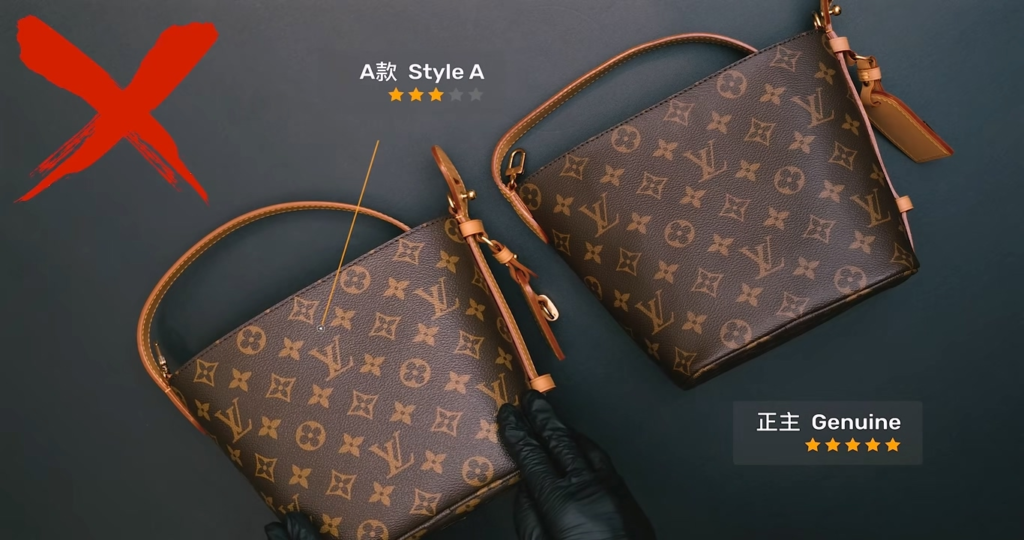
- Mass-Produced Top tier ( Piece A B): * Piece A: The surface is far too smooth, and the texture is stiff and lifeless. Under lighting, it produces a harsh, cheap glare—known in the industry as “thief light”—and exhibits a significant color discrepancy.
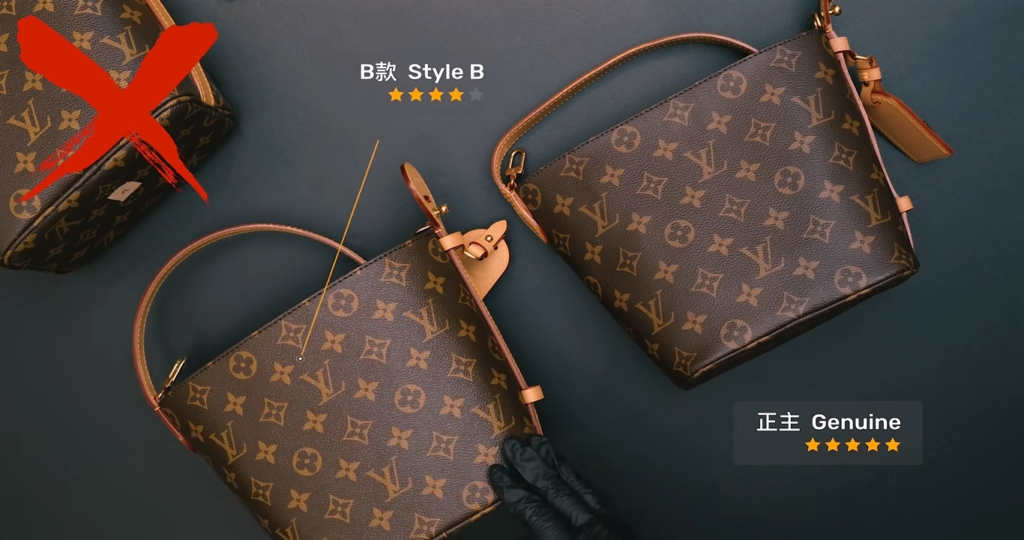
- Piece B: While it incorporates more wrinkles than Piece A and reduces the glare slightly, it remains noticeably brighter than the authentic finish.
- Ultimate Piece C: This tier successfully mimics the natural, rougher texture of the genuine article. The visual details are incredibly rich, allowing Piece C to achieve a color tone and matte gloss that is practically identical to the authentic bag.
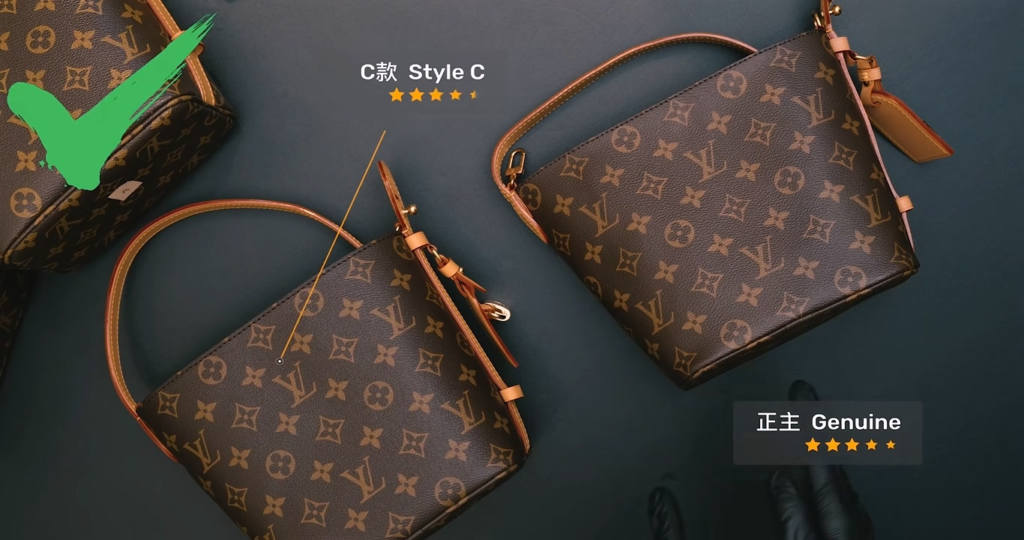
3. The Micro-Geometry of the Monogram Print
When you magnify the iconic Monogram print, the differences between authentic production and even the best replicas become mathematically evident. This is particularly vital to inspect on classic LV bags, where the Monogram is the undisputed focal point.
The Yellow Dot Matrix
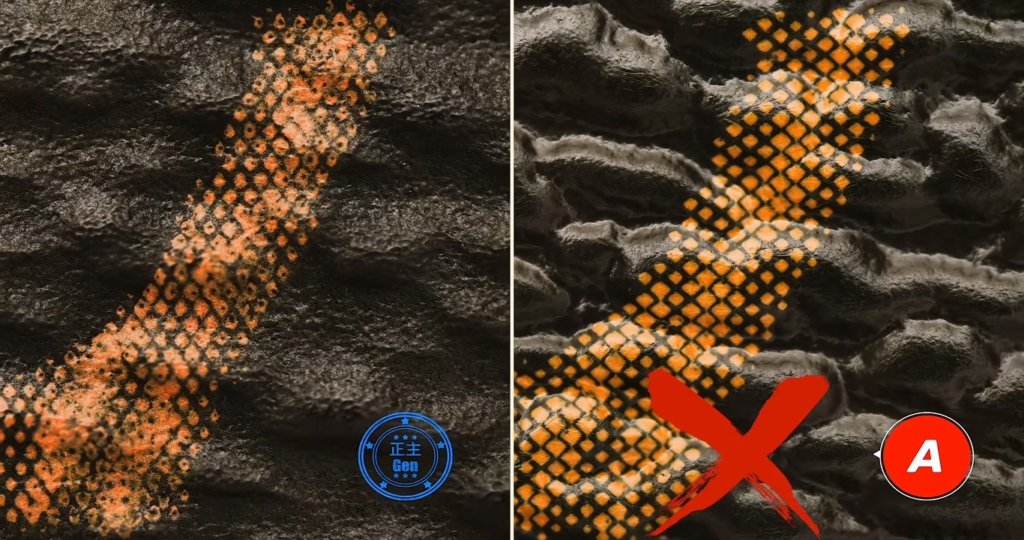
- Authentic: The yellow dots forming the Monogram are actually vertical diamonds. Meticulously, four of these small dots form a larger vertical diamond, and some individual dots feature a hollow black center. On the diagonal lines of the motifs, these dots are arranged in a distinct “staircase” gradient, transitioning perfectly from small to large. Interestingly, authentic printing isn’t clinically perfect; some dot clusters naturally “blur” together.
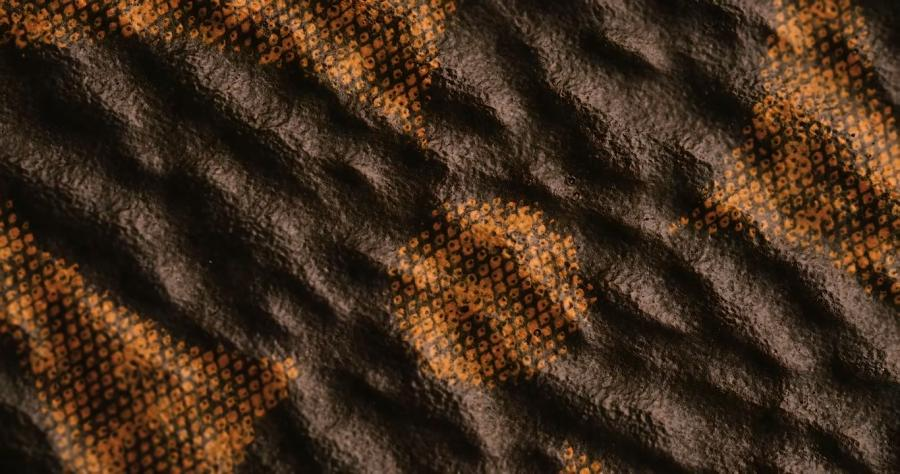
- Tiers A B: These tiers fail spectacularly here. The yellow dots are horizontal, lack the hollow black centers entirely, and the diagonal lines show no staircase gradient or size variation.
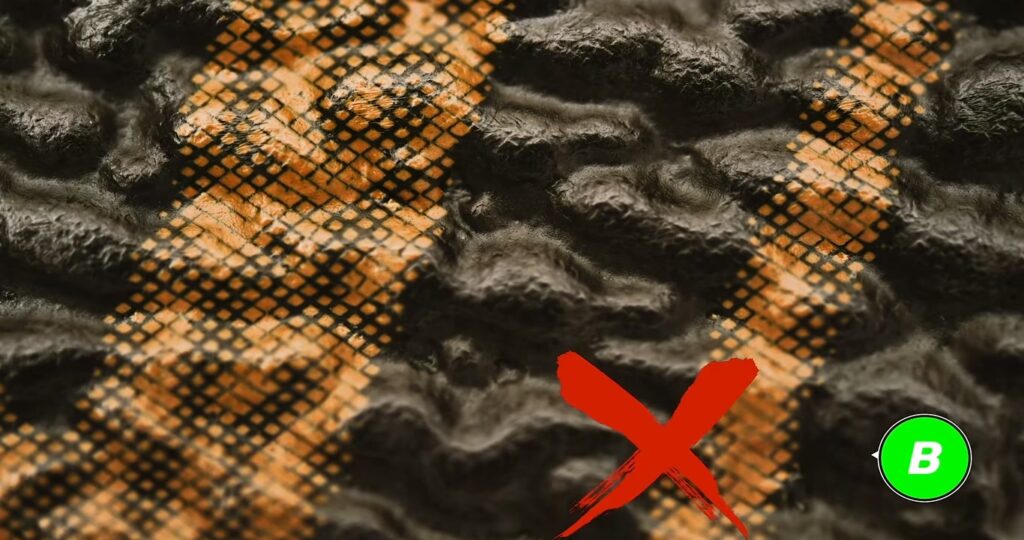
- Piece C: Replicates the vertical diamonds, the hollow black centers, and the specific staircase size gradient. However, its printing is too perfect; the dots are distributed far too evenly, missing the organic, slight blurring found in authentic pieces.
The Anatomy of the Letter “L”
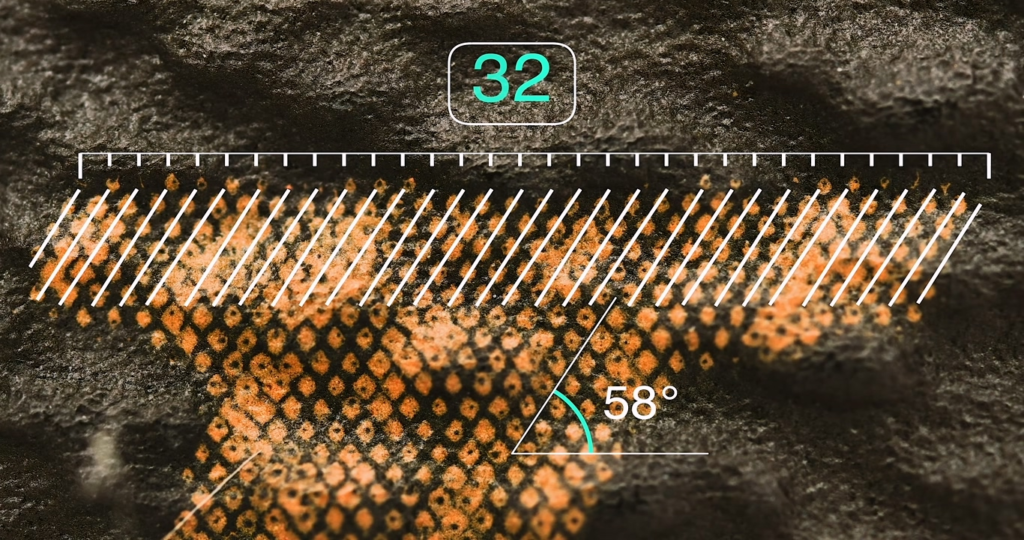
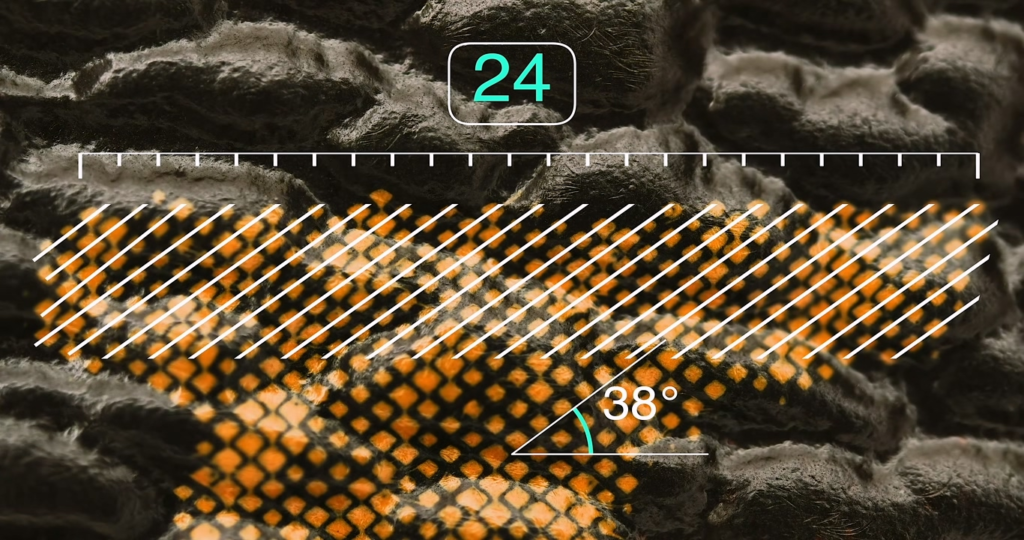
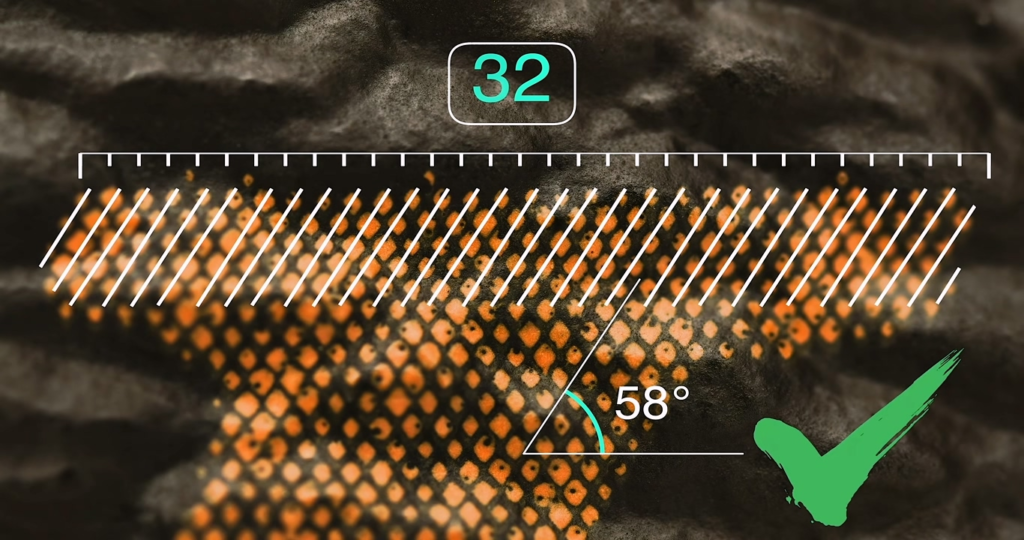
The top of the letter “L” in the LV logo contains a hidden geometric password: the yellow dots strictly adhere to a 32-row arrangement angled precisely at 58 degrees.
- Authentic: Follows this 32-row, 58-degree mathematical rule perfectly. Additionally, the bottom-left hook of the “L” is not a flat cut; it features a microscopic rollback trace.
- Tiers A B: The dots are chaotic, adhering to neither the 32-row count nor the 58-degree angle. Furthermore, they often use a straight, “one-cut” edge for the L’s hook.
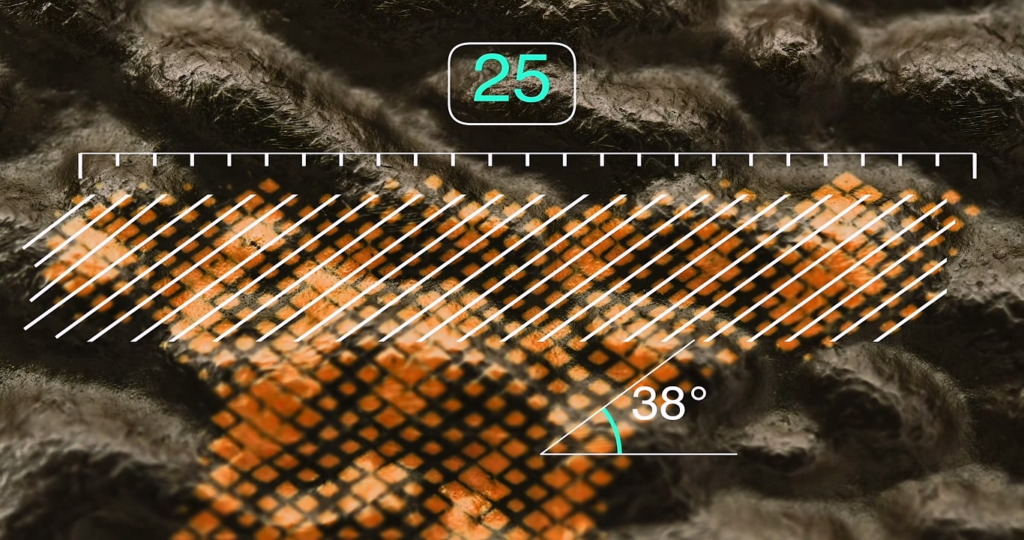
- Piece C: Astoundingly, Piece C completely cracks this hidden code, perfectly replicating the 32 rows and the 58-degree inclination.
The Interior Leather Tag Details
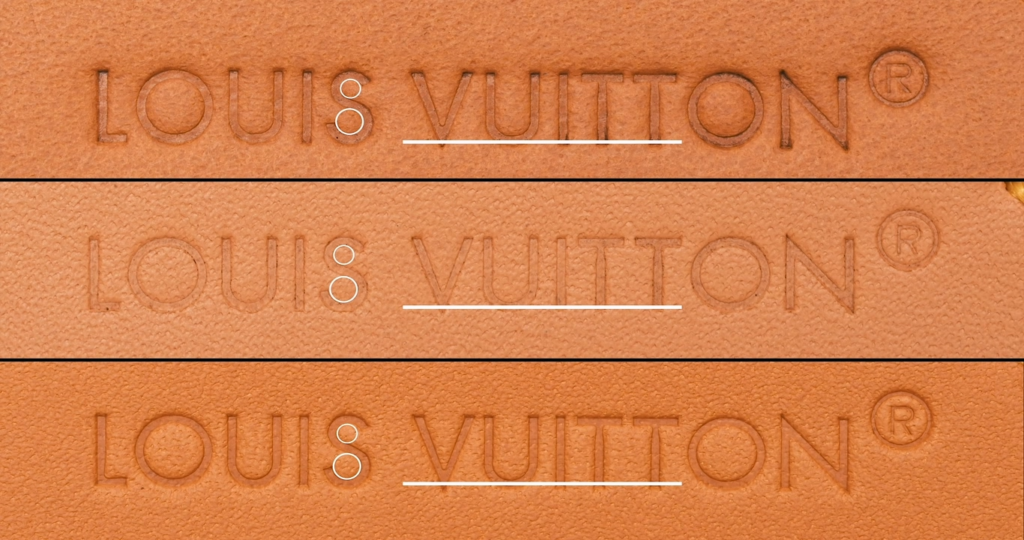
When checking the interior stamped logo, several geometric rules apply:
- The letter “S” has a smaller top circle and a larger bottom circle.
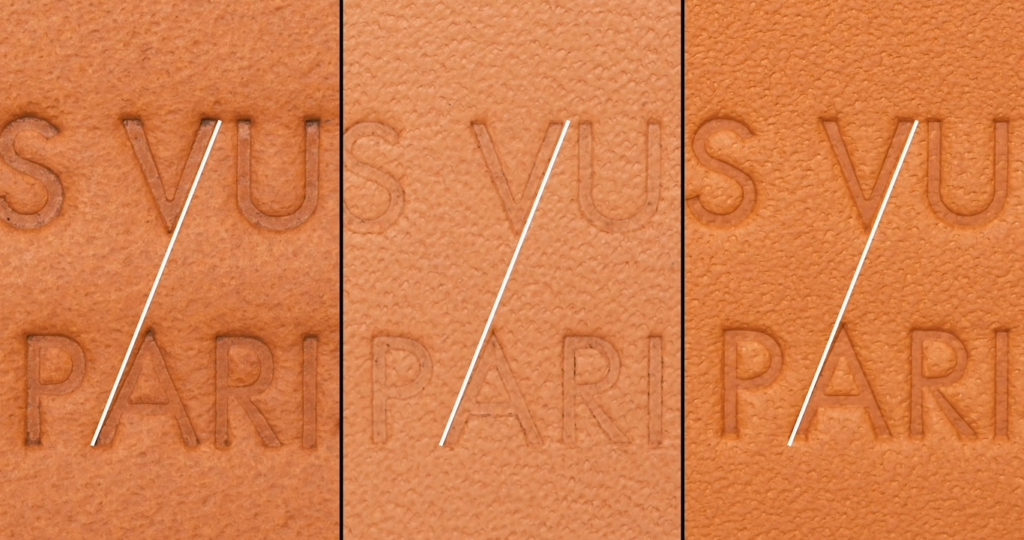
- The pointed angles of “V” and “A” protrude slightly higher than surrounding letters, and a line connecting the right side of “V” and the left side of “A” forms a straight line.
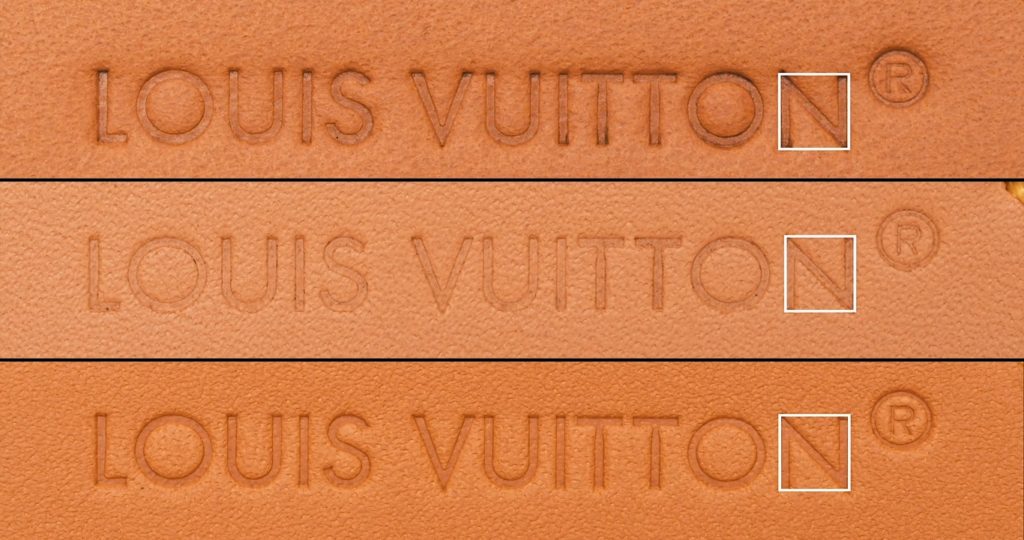
- The letter “N” has razor-sharp angles and an almost square overall shape.
- The outer diameter of the “R” circle is smaller than the “O”.
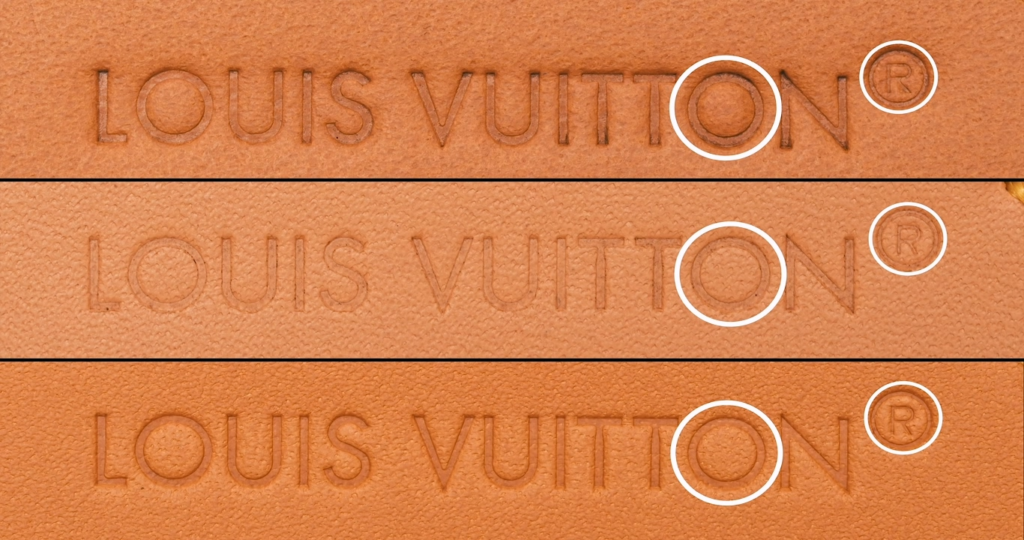
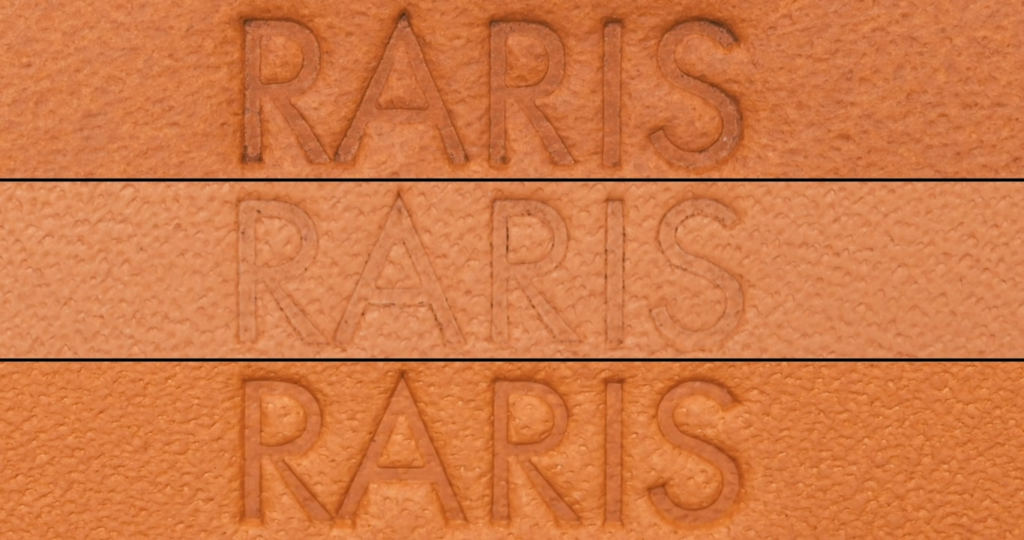
- If you add a leg to the letter “P”, it identically matches the “R”. While Piece B features a blurry stamp, Tiers A and C actually get these micro-details largely correct. For a broader understanding of how these details apply across different brands, bookmark our comprehensive LV bag authentication guide.
4. Hardware Engineering: The Ultimate Barrier to Entry
Hardware remains the ultimate test of factory capabilities. According to luxury authentication authorities like Sotheby’s, hardware analysis is essential because specialized metallurgy and precision polishing are incredibly difficult to scale illegally.
Engraving Techniques: Corrosion vs. Laser
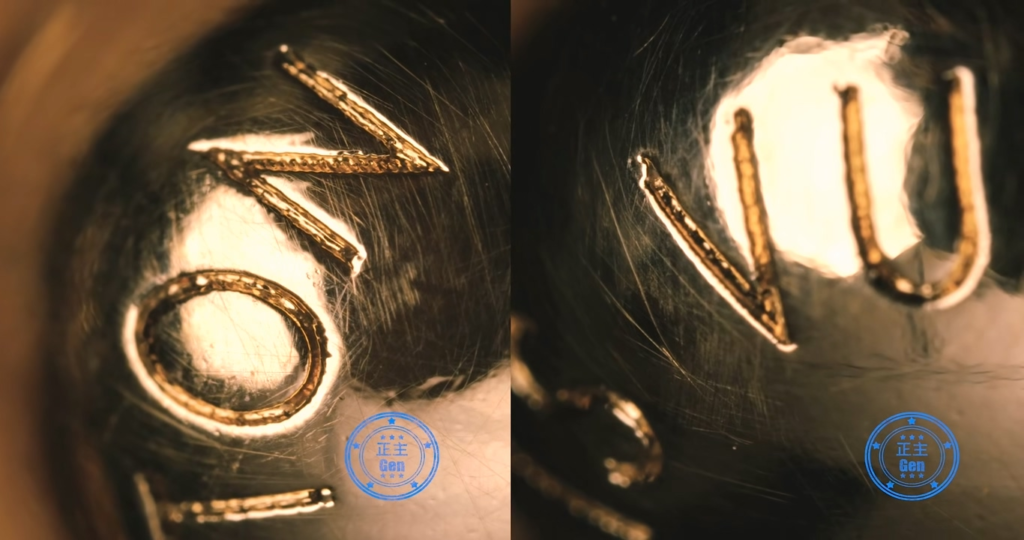
- Authentic: Utilizes a chemical corrosion (etching) process. The inner angles of the letters, particularly “N” and “V”, possess a razor-sharp, refined aesthetic. The bottom of the engraving often features a slightly uneven, pitted texture. On the padlock, the LV logo edges show visible stamping depressions, and the bottom of the logo has a subtle, wavy tree-like texture.
- Piece A B: Rely on cheaper laser engraving. Piece A features fat, blunt letters with no sharp edges, while Piece B’s letters are thinner but still overly rounded.
- Piece C: Successfully transitions to the etching process used by authentic manufacturers. The sharp angles on the N and V are highly convincing, though they fall just fractions of a millimeter short of the authentic’s surgical sharpness. The lock logo has the tree-like texture, but it lacks the exact stamping edge depressions found on the genuine article.
Structural Screws and Gear Bases
- Authentic: Uses a proprietary 6-petal Torx screw, and beneath it sits a gear-shaped base with distinct polishing marks. Furthermore, the back of the strap buckle features a specific gear shape with exactly 12 teeth carved into the base.
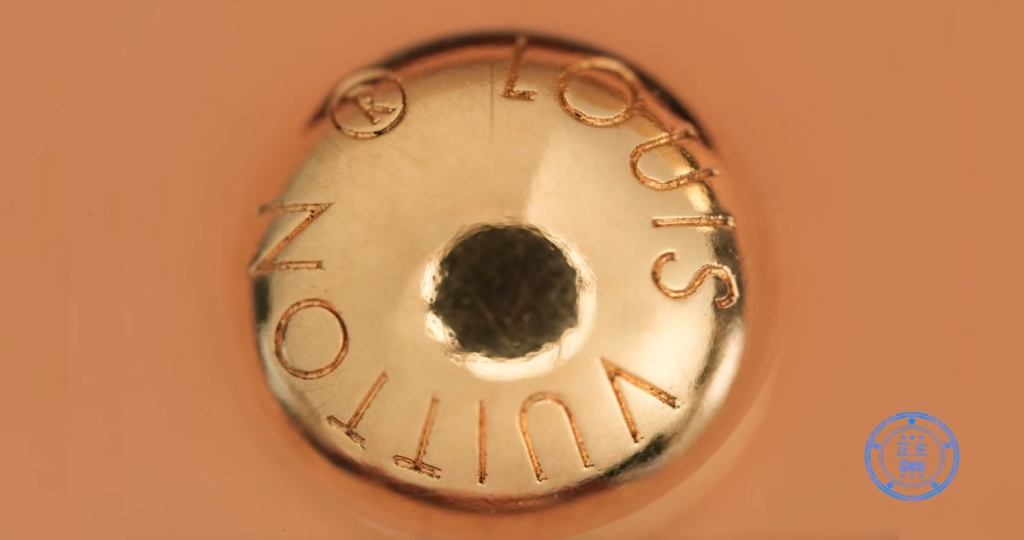
- Tiers A B: Piece A uses standard internal hex screws with concentric circle marks and incorrectly places the 12 gear teeth on the rivet itself rather than the base. Piece B uses a fake Torx shape with a black pit at the bottom and lacks the 12-tooth gear completely.
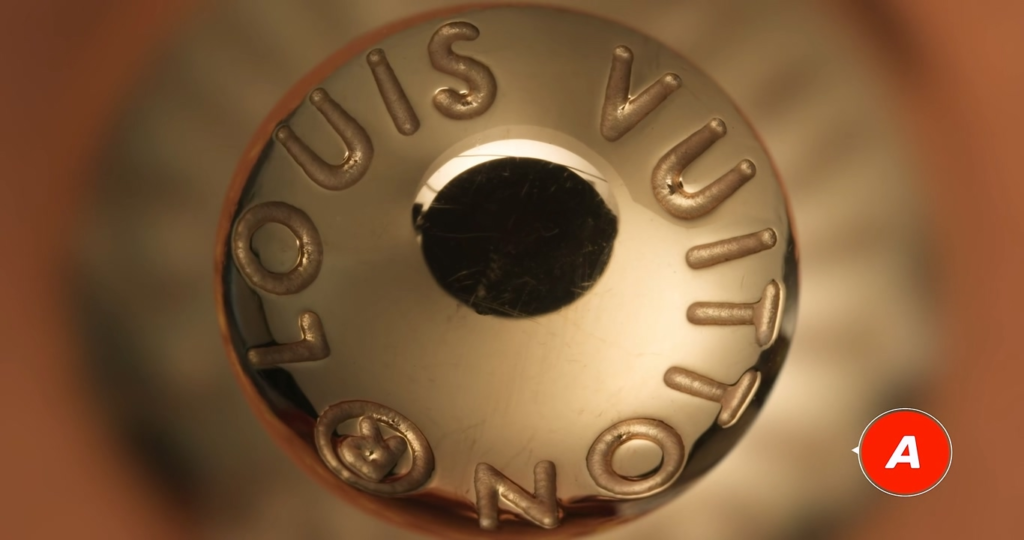
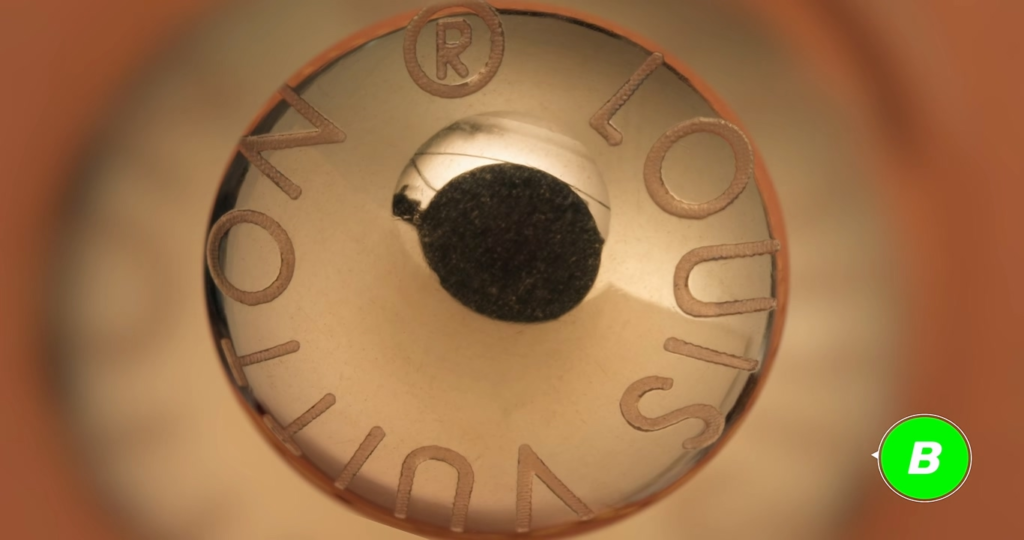
- Piece C: Features a polished, flat screw base that is remarkably precise. Most impressively, it perfectly replicates the 12 gear teeth carved directly into the strap buckle’s base.
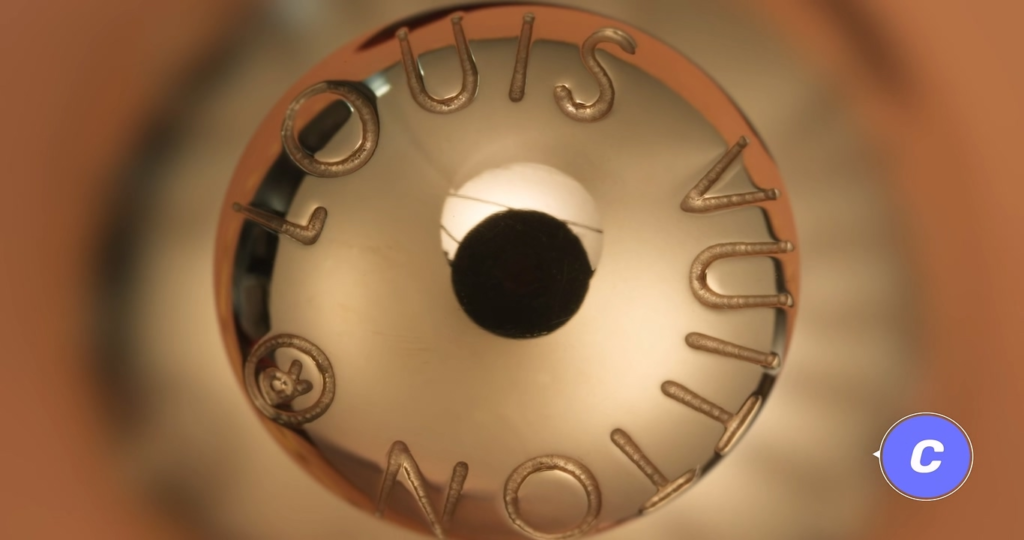
The Magnetic Physics Test
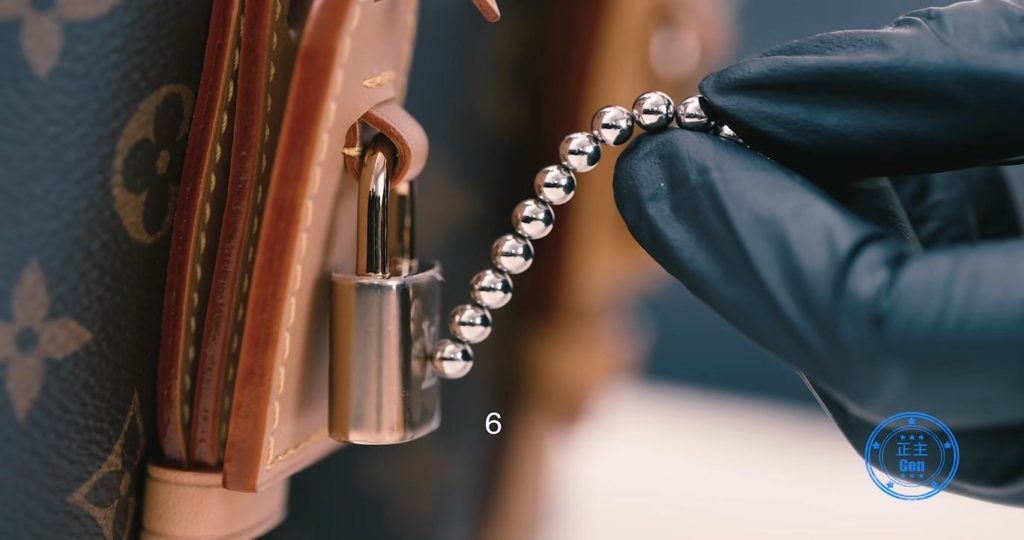
A common authentication method is testing magnetic attraction.
- Authentic Piece C: The padlock has an identical, extremely weak magnetic pull. The strap rivets and buckles completely resist magnetic attraction. The only exception is the internal rotational bearing, which is made of iron and will snap to a magnet—a detail both authentic and Piece C share.
Zippers and Clasps
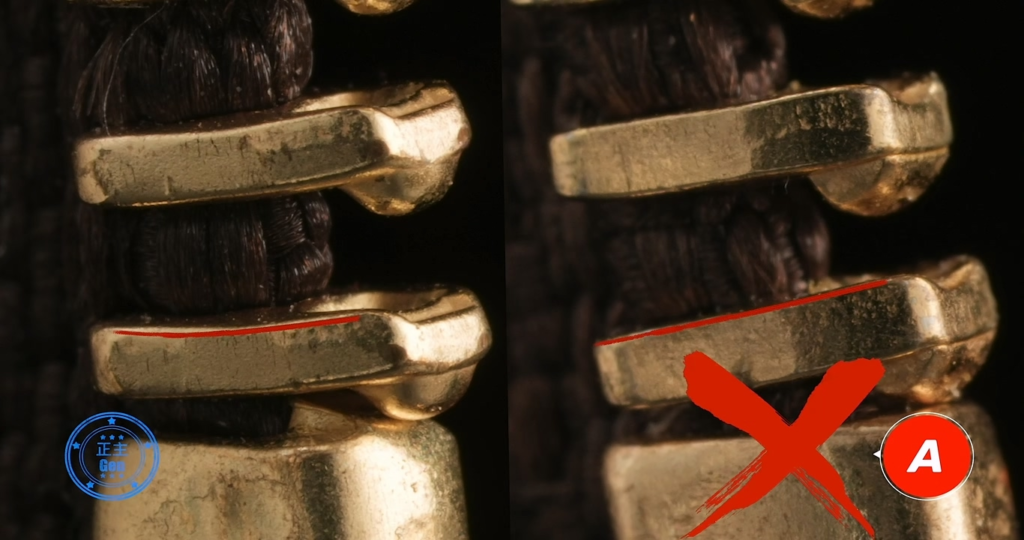
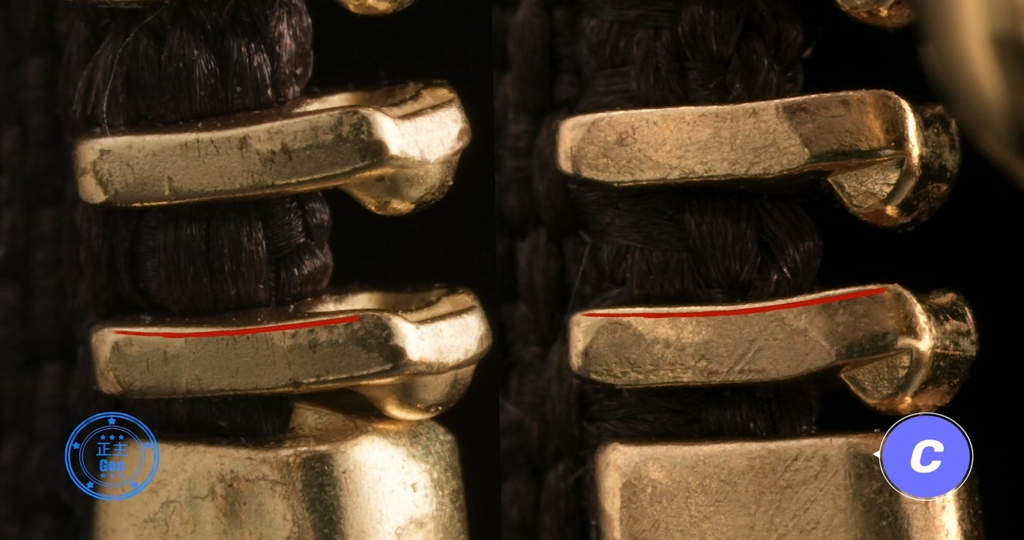
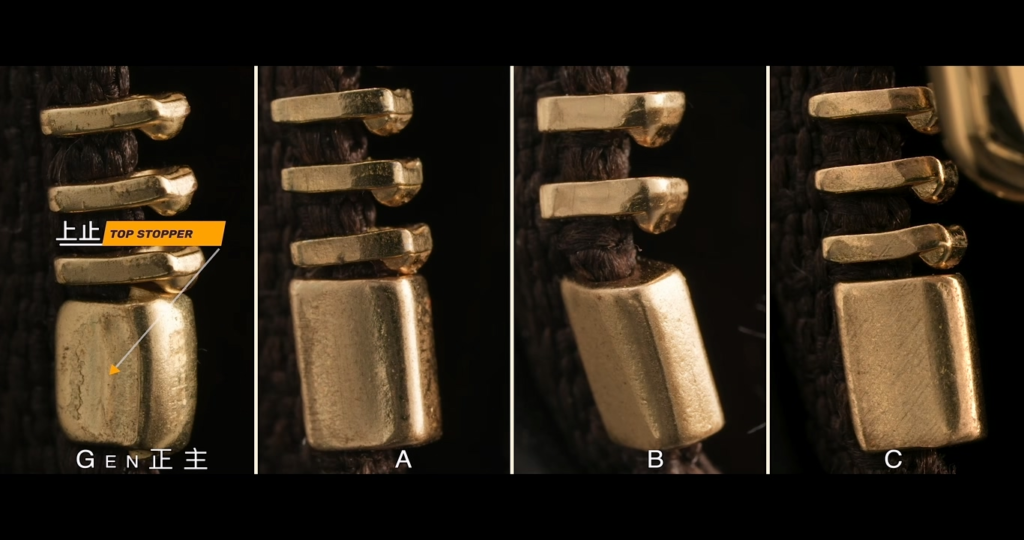
- Authentic: The zipper teeth have a distinct curved, rounded edge. The top zipper stop is the smallest and features a beautifully rounded, polished finish.
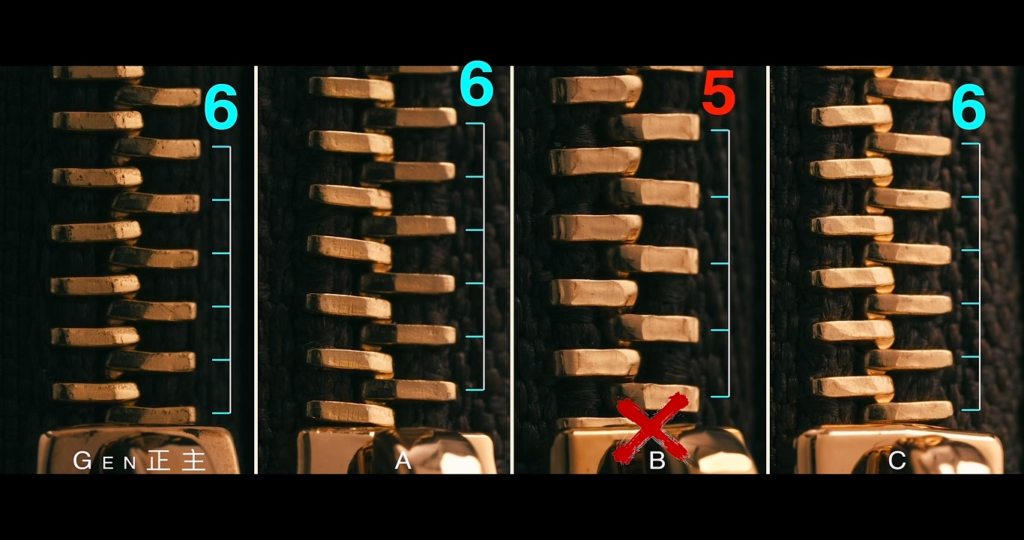
- Tiers A B: Piece A has completely straight, flat zipper teeth. Piece B is structurally missing a tooth.
- Piece C: Achieves the curved, polyhedral structure of the authentic teeth, though the tips are not quite as perfectly rounded. Furthermore, Piece C successfully eliminates the cheap casting seams on the lobster clasp’s bite area, a massive improvement in hardware finishing.
5. The Tech Arms Race: Debunking the NFC Myth
Perhaps the most dangerous misconception in the modern luxury market is that scanning an NFC (Near Field Communication) chip guarantees authenticity. To see how tech integration varies across modern releases, view our modern LV icons review.
- The Authentic Standard: Scanning the embedded NFC chip yields an 18-digit code. The first 10 digits are fixed (e.g., 0163C01), while the last 8 digits are a dynamic, randomly generated code that refreshes upon every scan.
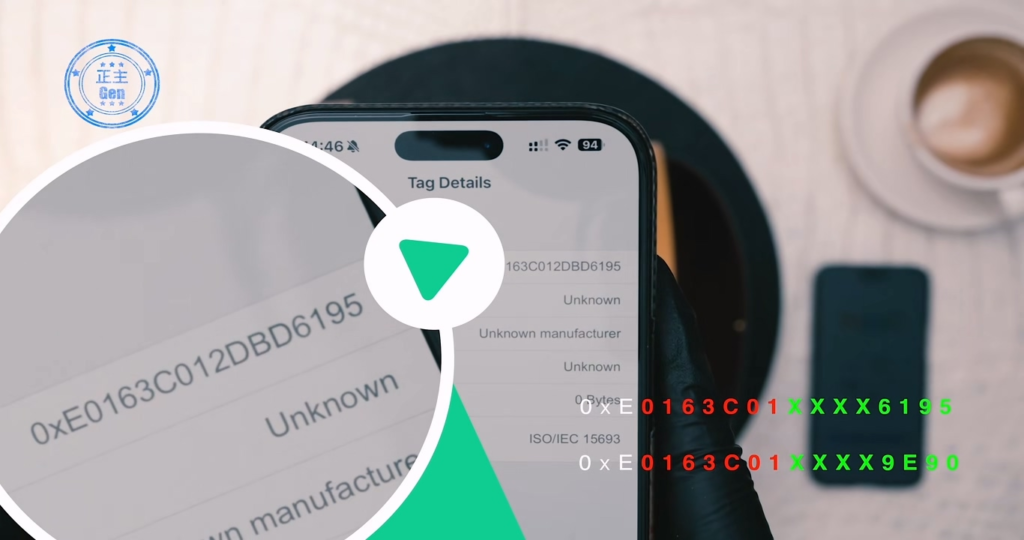
- Tiers A B: These replicas have successfully programmed chips to output the correct 18-digit format, starting identically with 0163C01. However, their final 8 digits remain permanently static.
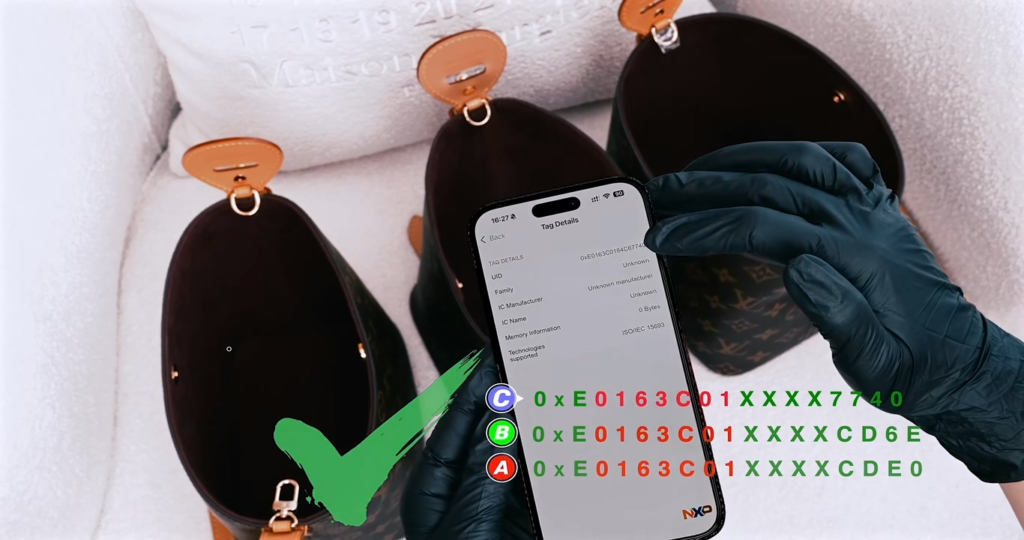
- The Ultimate Threat (Piece C): Piece C has entirely shattered the industry consensus that “fake bags cannot randomize codes”. In rigorous testing, the Piece C chip successfully generates the 0163C01 prefix and brilliantly executes the randomized, dynamic generation of the last 8 digits across multiple consecutive scans.
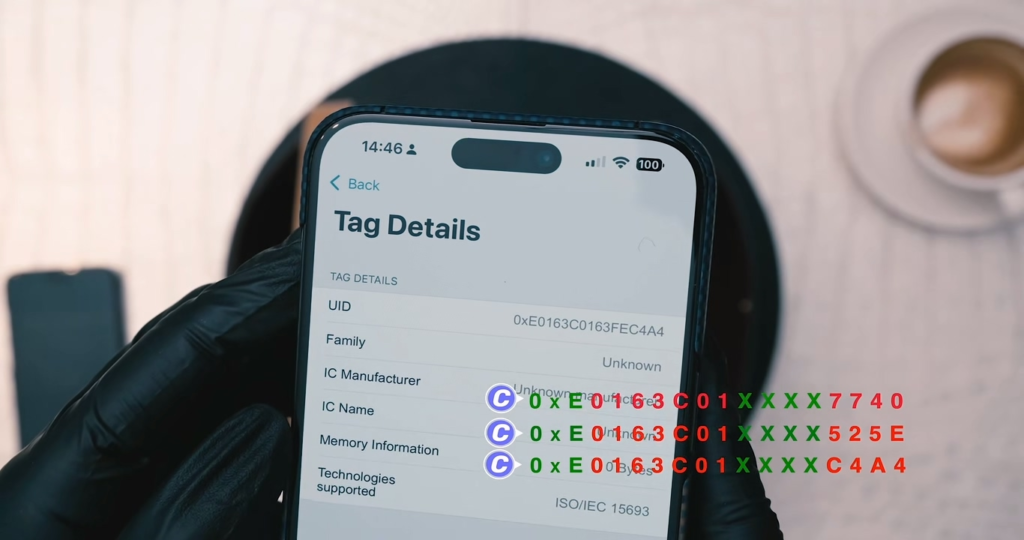
Conclusion: The NFC chip is no longer a standalone authentication tool. It must be combined with physical craftsmanship analysis.
6. Structural Integrity: The Digital Scale Test
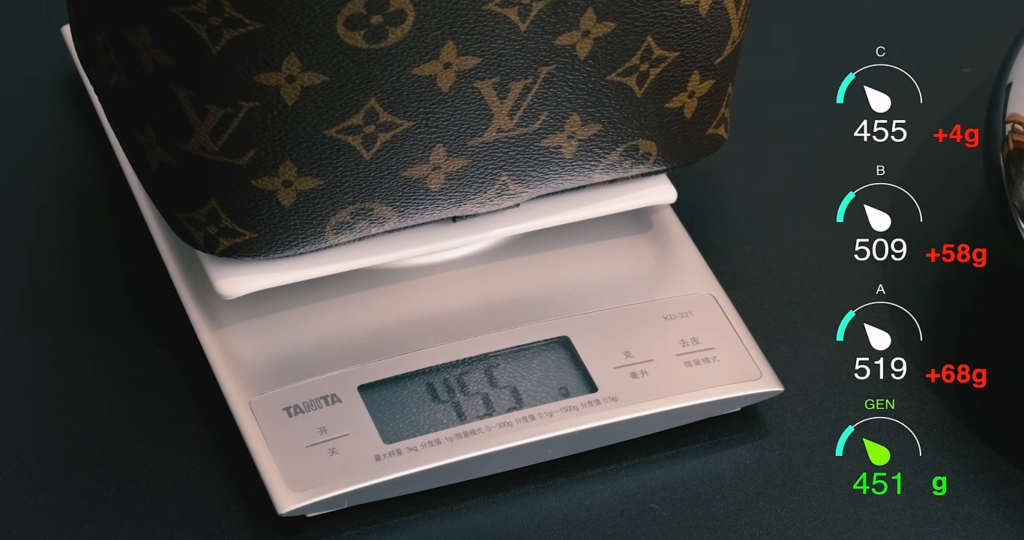
Because replicas struggle to perfectly source the exact proprietary density of authentic leathers and hardware alloys, weight remains a highly reliable metric. Using a highly calibrated digital scale exposes the invisible internal structure of the bags.
| Quality Tier | Weight | Analysis Structural Variance |
| Authentic | 451g | The perfect baseline balance of structural integrity and refined material thinness. |
| Top tier(Piece A) | 519g | Severely overweight by 68g, indicating thick, poorly engineered internal leathers and heavy alloys. |
| Top tier(Piece B) | 509g | Overweight by 58g; still fails the baseline structural test. |
| Ultimate Tier (Piece C) | 455g | An astonishingly close replica, over by only 4g. While it is the most accurate, the slight variance proves that perfect physical parameter duplication remains elusive. |
7. The Intangibles: Construction and Hidden Flaws
Finally, we must look at the hidden construction techniques where even the best factories stumble.
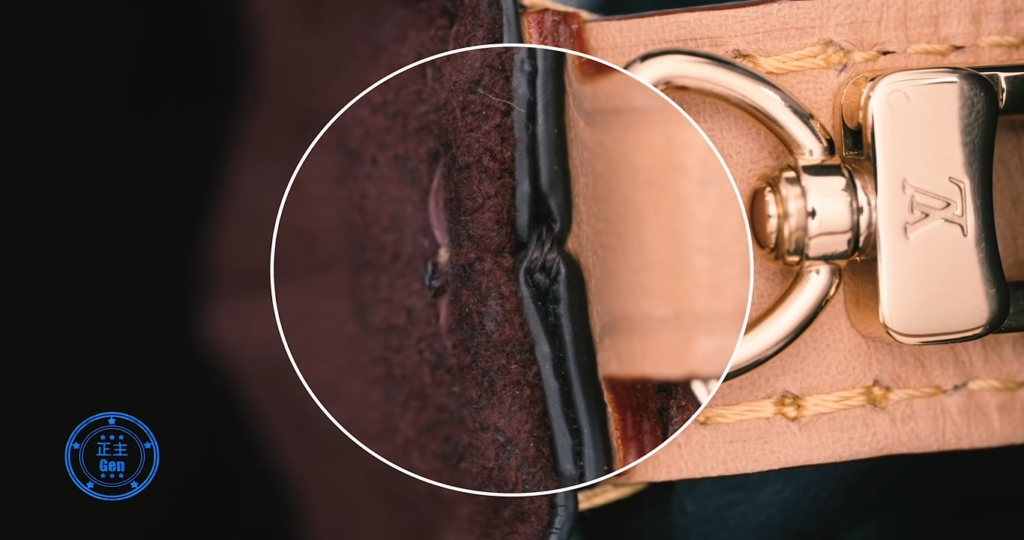
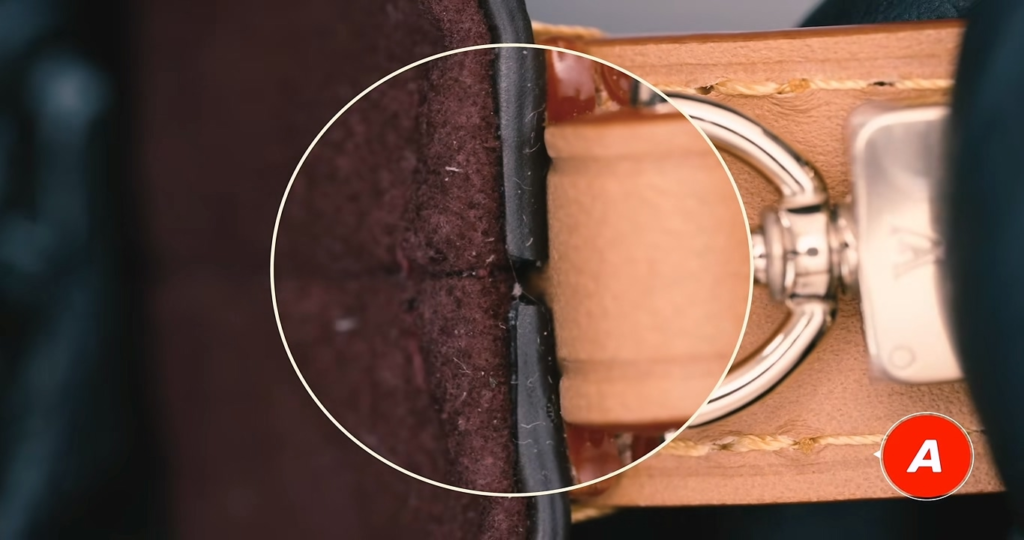
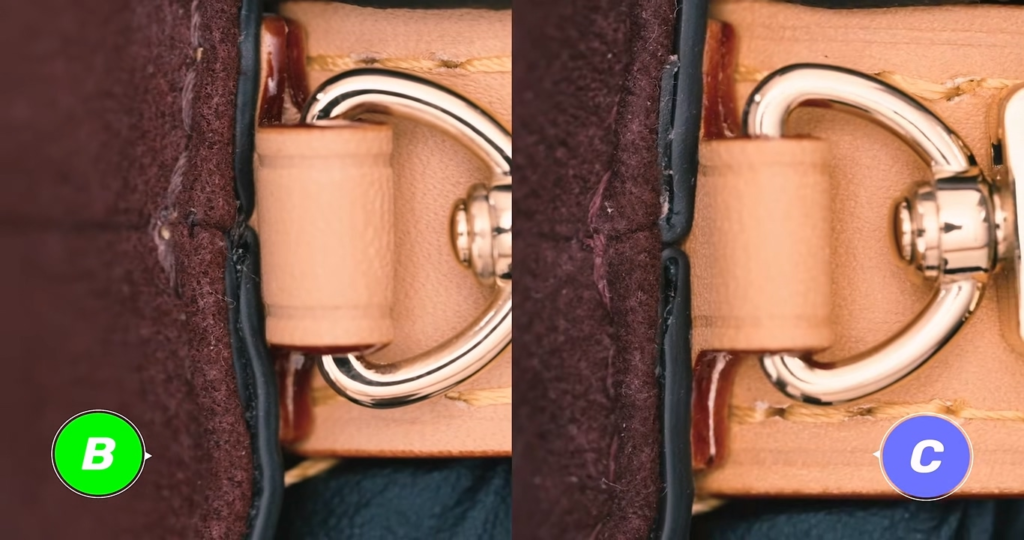
When observing how the leather connects to the strap buckles:
- Authentic: The artisan folds the leather first, ensuring the edges are pristine, and then stitches it firmly into place.
- Tiers A B: Piece A completely skips the folding process and simply stitches flat leather together, reducing durability. Piece B attempts the fold but executes it roughly.
- Piece C: In a bizarre oversight, Piece C successfully mimics the complex leather fold but actually forgets to apply the stitching line entirely.
8. FAQ: Navigating the 2026 Luxury Authentication Landscape
Can I rely on an NFC chip scanner app to verify if my Louis Vuitton bag is authentic?
Absolutely not in 2026. While mass-produced Tiers A and B only output static 18-digit codes, the highest Mastercrafted tier (Tier C) has successfully reverse-engineered the dynamic variable algorithm. They can generate a completely randomized 8-digit suffix upon consecutive scans, flawlessly mimicking the authentic system. Tech is no longer a silver bullet; you must verify physical craftsmanship.
Why are top-tier replicas (Tier C) consistently closer in weight to authentic bags than AAA replicas?
AAA replicas (Tiers A and B) focus on mass assembly lines, utilizing thicker, rigid intermediate layers and cheaper, heavier metal alloys to give the bag a superficial feeling of “weight.” Tier C Mastercrafted workshops meticulously match the exact physical properties of the internal canvas and lining textiles, maintaining structural flexibility while staying within a razor-thin 4-gram margin of error from authentic specifications.
Why are top-tier replicas (Tier C) consistently closer in weight to authentic bags than AAA replicas?
AAA replicas (Tiers A and B) focus on mass assembly lines, utilizing thicker, rigid intermediate layers and cheaper, heavier metal alloys to give the bag a superficial feeling of “weight.” Tier C Mastercrafted workshops meticulously match the exact physical properties of the internal canvas and lining textiles, maintaining structural flexibility while staying within a razor-thin 4-gram margin of error from authentic specifications.
What is the most reliable physical telltale sign on modern LV hardware?
The engraving methodology. Authentic Louis Vuitton pieces use a precise chemical corrosion etching process, creating aggressive, razor-sharp inner angles on letters like “N” and “V” under close magnification. Lower tiers (A B) rely on fast laser engraving, leaving blunt, rounded fonts with a distinct frosted or blackened residue. Even Tier C, while using advanced etching, cannot quite mirror the surgical micro-sharpness found on a genuine article.
How does the “staircase effect” on Monogram prints help identify a replica?
On genuine Monogram canvas, the clusters of yellow dots aligned diagonally on floral motifs are deliberately printed as vertical diamonds that scale up from small to large, creating a perfect geometric “staircase.” AAA replicas completely fail this matrix by utilizing flat, horizontal digital dot prints. While Tier C perfectly captures the staircase layout, its printing is often too digitally perfect; it completely lacks the subtle, organic ink blending found on authentic screens.
Is it true that authentic Louis Vuitton bags are completely non-magnetic?
Not entirely. While the solid brass locks, strap rivets, and exterior buckles completely resist magnetic fields (a property matched by Tier C but failed by zinc-alloy AAA tiers), the internal rotational bearing within the buckle mechanics is engineered from high-grade iron. Consequently, both authentic bags and Tier C Mastercrafted pieces will exhibit a snapping magnetic pull exclusively at that specific, concealed internal rotational component.
The Cheap Replica Chanel Shoes Conclusion: Is the Gap Closing?
The era of easily spotting a replica from across the room is unequivocally over. While standard mass-produced Top tier bags still suffer from obvious textural flaws, incorrect zipper teeth, and static NFC codes, theUltimate Piece C represents a profound paradigm shift.
Piece C has successfully weaponized dynamic NFC tech, replicated the 32-row microscopic Monogram math, and brought the physical weight within a 4-gram margin of error. The gap is no longer macro; it is entirely micro. It exists in the slight unevenness of a zipper tip, the 4-gram weight discrepancy, and forgotten internal stitches.
For the average consumer, theUltimate Tier is visually indistinguishable from authentic. But for the purist and the true collector, the magic of the Maison remains locked in those final microscopic millimeters of perfection that simply cannot be scaled outside of the official ateliers.
Disclaimer: This guide is purely for educational purposes and academic study of leathercraft and hardware mechanics. It is designed to protect consumers from fraud in the secondary market. For definitive authentication, always consult brand officials or certified third-party institutions.